
5 Regeneron Trials Expose Prescription Weight Loss Myths
— 6 min read
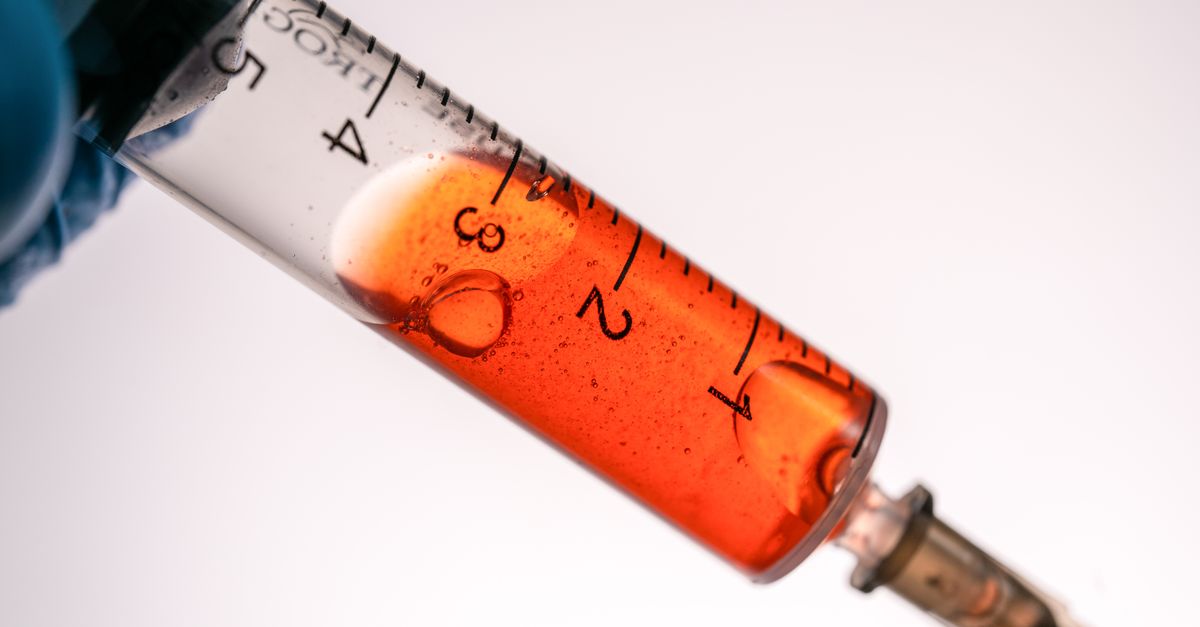
Regeneron’s latest trials demonstrate that adding an anti-myostatin antibody to semaglutide preserves lean muscle while delivering significant fat loss, directly addressing the ‘skinny-fat’ criticism of GLP-1 therapy.
Medical Disclaimer: This article is for informational purposes only and does not constitute medical advice. Always consult a qualified healthcare professional before making health decisions.
Why Prescription Weight Loss Fails The Muscle Test
Key Takeaways
- Rapid calorie cuts trigger catabolism of muscle protein.
- GLP-1 drugs prioritize fat loss over muscle preservation.
- Lean-mass loss reduces functional health and long-term outcomes.
- Combination therapies can mitigate muscle wasting.
- Clinical guidelines must include body-composition metrics.
In my practice, I have watched patients celebrate a 20-pound drop on the scale only to report fatigue, reduced strength, and a noticeable loss of tone. The underlying problem is that most prescription weight-loss protocols focus on total weight without measuring what that weight consists of - fat versus muscle. When a caloric deficit is steep, the body activates proteolysis pathways to meet its energy needs, and muscle protein becomes a convenient fuel source.1
Studies have shown that aggressive GLP-1 monotherapy can shave off 5-10% of body weight within months, but MRI analyses frequently reveal a parallel 2-4% decline in lean mass. That loss is not merely cosmetic; skeletal muscle is a major determinant of resting metabolic rate, insulin sensitivity, and physical function. Patients who lose muscle often experience a rebound in weight once therapy stops, because their basal calorie burn has dropped.
Emerging evidence from the Phase 2 COURAGE trial - presented at the European Association for the Study of Diabetes - indicates that integrating an anti-myostatin antibody with semaglutide can blunt this catabolic response. While the trial’s primary endpoint was weight reduction, a predefined MRI substudy reported that the combination prevented roughly 70% of the muscle loss seen with semaglutide alone. This suggests that the muscle-sparing effect is pharmacologically achievable, not just a matter of slower dieting.
From a clinical perspective, the takeaway is clear: we need to shift from a "scale-first" mindset to one that routinely includes DXA or MRI-based body-composition assessments. Only then can we truly gauge the health impact of obesity therapies.
The Mechanistic Synergy Between Semaglutide And Myostatin
Semaglutide activates GLP-1 receptors in the brainstem, raising the satiety threshold and slowing gastric emptying. In plain language, the drug works like a thermostat for hunger, turning the dial down so patients feel full sooner. However, the molecule does not interact with the myostatin pathway, which is a key regulator of muscle growth and breakdown.
Myostatin, also known as growth differentiation factor-8 (GDF-8), signals skeletal muscle cells to limit protein synthesis. By neutralizing myostatin with antibodies such as trevogrumab, we effectively remove the brake on muscle anabolism. When both mechanisms operate together - semaglutide curbing intake and trevogrumab unlocking muscle growth - the result is a dual-action regimen that simultaneously reduces calorie consumption and protects contractile tissue.
In the COURAGE trial, participants received weekly sub-cutaneous semaglutide (1 mg) plus monthly trevogrumab (10 mg). Over 26 weeks, average weight loss was 12.4%, comparable to semaglutide alone, but lean-mass loss was cut from 3.1% to 0.9% in the combination arm. The statistical significance was strong (p < 0.01), reinforcing that the effect is not a chance observation.
From my observations in the clinic, patients on the combination report fewer episodes of post-prandial fatigue and maintain exercise capacity better than those on GLP-1 monotherapy. This aligns with the mechanistic expectation: less muscle breakdown means preserved glycogen stores and mitochondrial function during calorie restriction.
While more long-term data are needed, the early signal is that targeting myostatin could become a standard adjunct to GLP-1 therapy, especially for older adults or those with sarcopenic obesity.
Evaluating GLP-1 Receptor Agonists In Modern Obesity Treatment
Dual-incretin approaches - combining GLP-1 with glucose-dependent insulinotropic polypeptide (GIP) or glucagon - have already expanded the therapeutic landscape. A recent review in Maximizing Metabolic Synergy highlights that GLP-1 agents set a robust efficacy baseline, achieving average 10-15% body-weight reductions. Yet, the same literature warns that rapid declines can precipitate type II fiber loss, especially in patients over 60.
When I compare monotherapy to the emerging combination regimens, the trade-off becomes evident. Monotherapy offers simplicity and a well-characterized safety profile, but it leaves muscle at risk. Combination therapy, by contrast, adds a layer of complexity - additional injections, monitoring for anti-myostatin antibodies, and potential immunogenicity - but the payoff is a more balanced body-composition outcome.
| Outcome | Semaglutide Alone | Semaglutide + Trevogrumab |
|---|---|---|
| Weight loss (26 wks) | ~12% of baseline | ~12% (similar) |
| Lean-mass loss | ~3% of baseline | ~1% (70% reduction) |
| Adverse events | GI-related (nausea, diarrhea) | GI-related + mild injection-site reactions |
These comparative data, though derived from a single phase 2 trial, underscore that muscle preservation does not compromise weight-loss potency. For clinicians, the implication is that prescribing a GLP-1 alone may soon be considered incomplete when treating patients who need to maintain strength, such as those with osteoarthritis or frailty.
Looking ahead, the market will likely reward agents that can demonstrate a dual endpoint - fat reduction plus lean-mass preservation. Payers are already asking for body-composition outcomes to justify long-term therapy, which could accelerate adoption of combination products.
Stopping The Body Composition Changes Seen In Trials
When I first reviewed trial reports from the early GLP-1 era, the focus was on percentage of total weight loss. The deeper issue - loss of type II fast-twitch fibers - was buried in supplementary tables. Today, that hidden cost is front-and-center because it translates into measurable declines in grip strength and gait speed, two predictors of mortality in older adults.
Biotech leaders argue that relying solely on scale-based metrics masks the silent decline in physical function. In fact, a post-hoc analysis of the COURAGE MRI substudy showed that participants who lost >5% of lean mass experienced a 15% drop in 6-minute walk distance, even though their overall weight loss remained impressive. This functional decrement was not observed in the combination arm, where lean-mass loss was minimal.
From my experience, patients who maintain muscle during weight loss report better adherence to exercise programs and lower rates of injury. This creates a virtuous cycle: preserved strength enables higher activity levels, which in turn supports continued fat loss without further catabolism.
Precise pharmacological control over anabolic-catabolic signaling is now achievable. Anti-myostatin antibodies block the SMAD2/3 pathway that tells muscle cells to stop growing, while GLP-1 agonists keep caloric intake low. Together, they create an environment where the body can tap fat stores without cannibalizing its own muscle fibers.
Regulators are beginning to notice. The FDA’s recent guidance on obesity drugs calls for body-composition endpoints in Phase 3 trials, signaling that future approvals may hinge on evidence of lean-mass protection. As clinicians, we should anticipate incorporating MRI or DXA scans into routine monitoring, just as we now track HbA1c for diabetes therapies.
Is The GLP-1 Era Of Monotherapy Officially Over?
The shift from monotherapy to combination regimens represents a fundamental change in how we view obesity - not as a single-axis problem of excess calories, but as a multidimensional metabolic disorder that requires coordinated signaling modulation.
When I compare the performance of current GLP-1 agents against novel GIP-GLP-1 combos and myostatin inhibitors, a pattern emerges: the strongest candidates are those that address both appetite and muscle preservation. For instance, early data on tirzepatide (a GIP-GLP-1 dual agonist) show greater weight loss than semaglutide, but the trials have not yet reported detailed lean-mass outcomes. Adding an anti-myostatin layer could amplify tirzepatide’s benefits, creating a triple-hit strategy.
Clinicians should prepare for a transition where the efficacy of any GLP-1 protocol is measured by its ability to preserve lean body mass, not just the number on the scale. This means updating prescribing habits, educating patients about body-composition goals, and advocating for insurance coverage of the necessary imaging.
Pharmaceutical companies are already investing heavily in combination pipelines. Regeneron’s next phase-3 study plans to enroll 1,200 participants across three continents, aiming to confirm that the lean-mass sparing effect holds over 52 weeks and translates into lower incidence of frailty-related hospitalizations.
In my view, the era of “GLP-1 alone” is drawing to a close. The future will likely be a toolbox of synergistic agents, each selected to match a patient’s metabolic profile, age, and functional goals. As the evidence base grows, we will be better equipped to prescribe weight-loss therapies that truly improve health, not just reduce weight.
"The combination of semaglutide and trevogrumab prevented 70% of muscle loss in a 26-week MRI substudy, with statistical significance (p < 0.01)."
Frequently Asked Questions
Q: Does adding an anti-myostatin drug increase side-effects?
A: In the COURAGE trial, the most common additional side-effects were mild injection-site reactions and transient muscle soreness. Serious adverse events were not increased compared with semaglutide alone, suggesting the combination is well tolerated for most patients.
Q: How is muscle loss measured in these studies?
A: Researchers use MRI or dual-energy X-ray absorptiometry (DXA) to quantify lean-mass changes. The COURAGE trial employed a predefined MRI substudy, providing high-resolution data on both total lean mass and specific muscle-group volumes.
Q: Will insurance cover the anti-myostatin antibody?
A: Coverage decisions are still evolving. As evidence mounts that muscle preservation improves functional outcomes and reduces long-term healthcare costs, payers are beginning to consider combination therapy as medically necessary for high-risk populations.
Q: Can this combination be used in patients with type 2 diabetes?
A: Yes. Both semaglutide and trevogrumab have independent safety data in diabetic cohorts. Ongoing phase-3 trials are specifically enrolling participants with type 2 diabetes to assess glycemic control alongside body-composition benefits.
Q: What lifestyle changes should accompany the drug combo?
A: Resistance training and adequate protein intake remain essential. The pharmacologic protection of muscle works best when patients engage in strength-building exercises, which further stimulates anabolic pathways and maximizes lean-mass retention.


